Start with the waste
Establish the quantity, composition, collection arrangements and project objectives.
 Let’s talk ↗
The Blackhole solution
An integrated municipal waste management approach, connecting the journey from community collection to resource recovery.
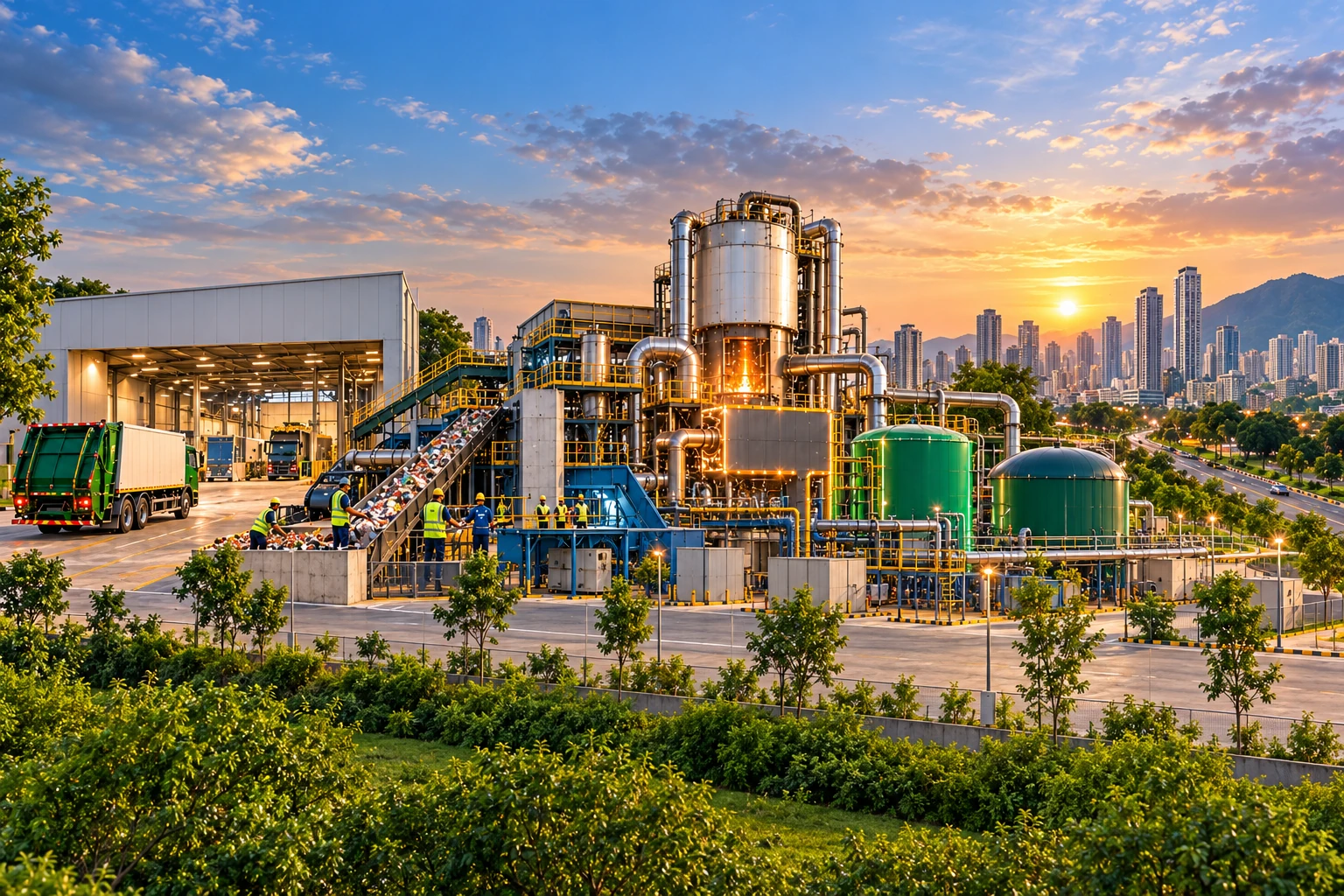
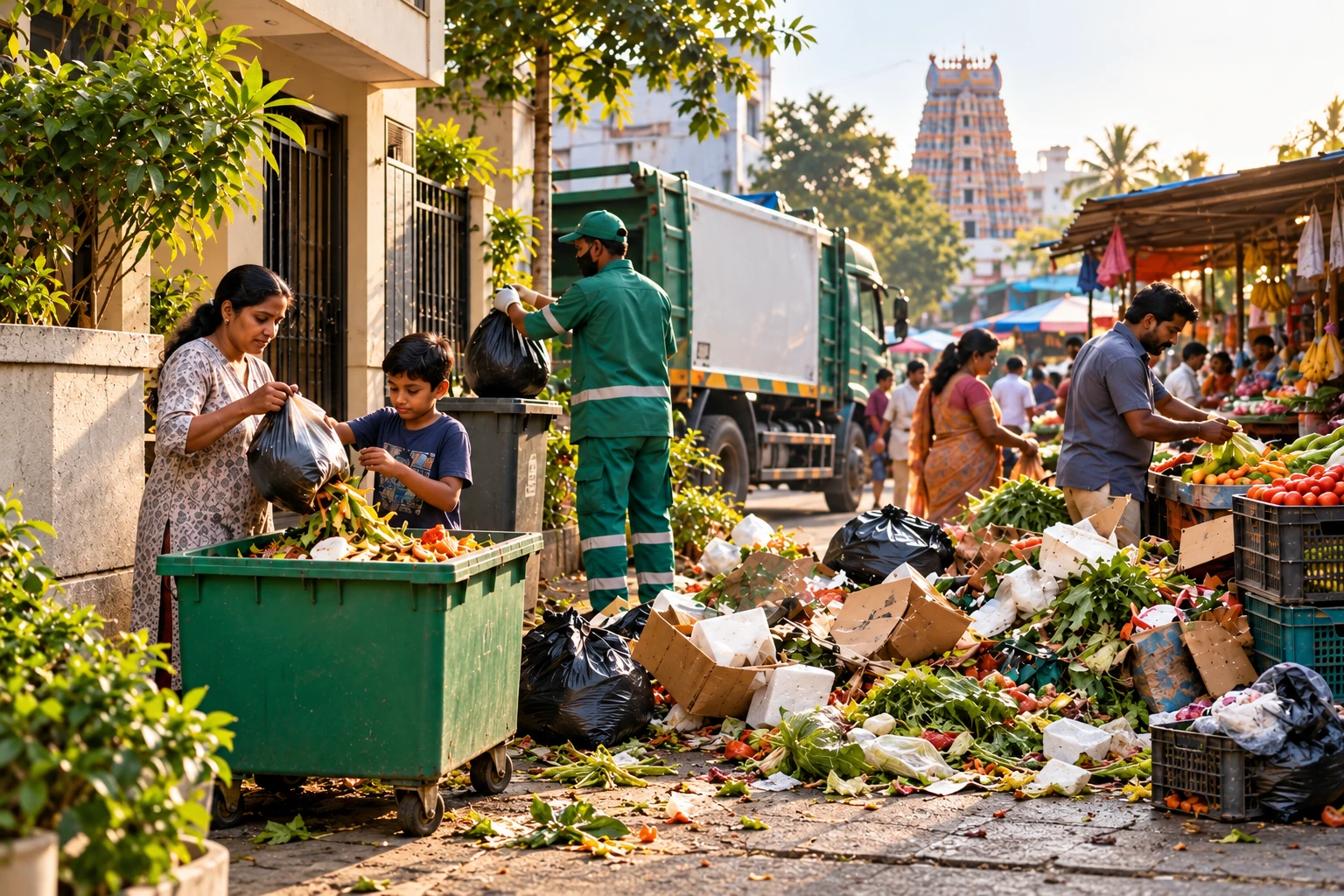
01 / Understand the waste
Municipal waste includes food and garden waste, paper, cardboard, plastics, textiles, metals and inert materials. Understanding the incoming waste mix is the starting point for a suitable processing plan.
Waste suitability and handling requirements are assessed for each project.
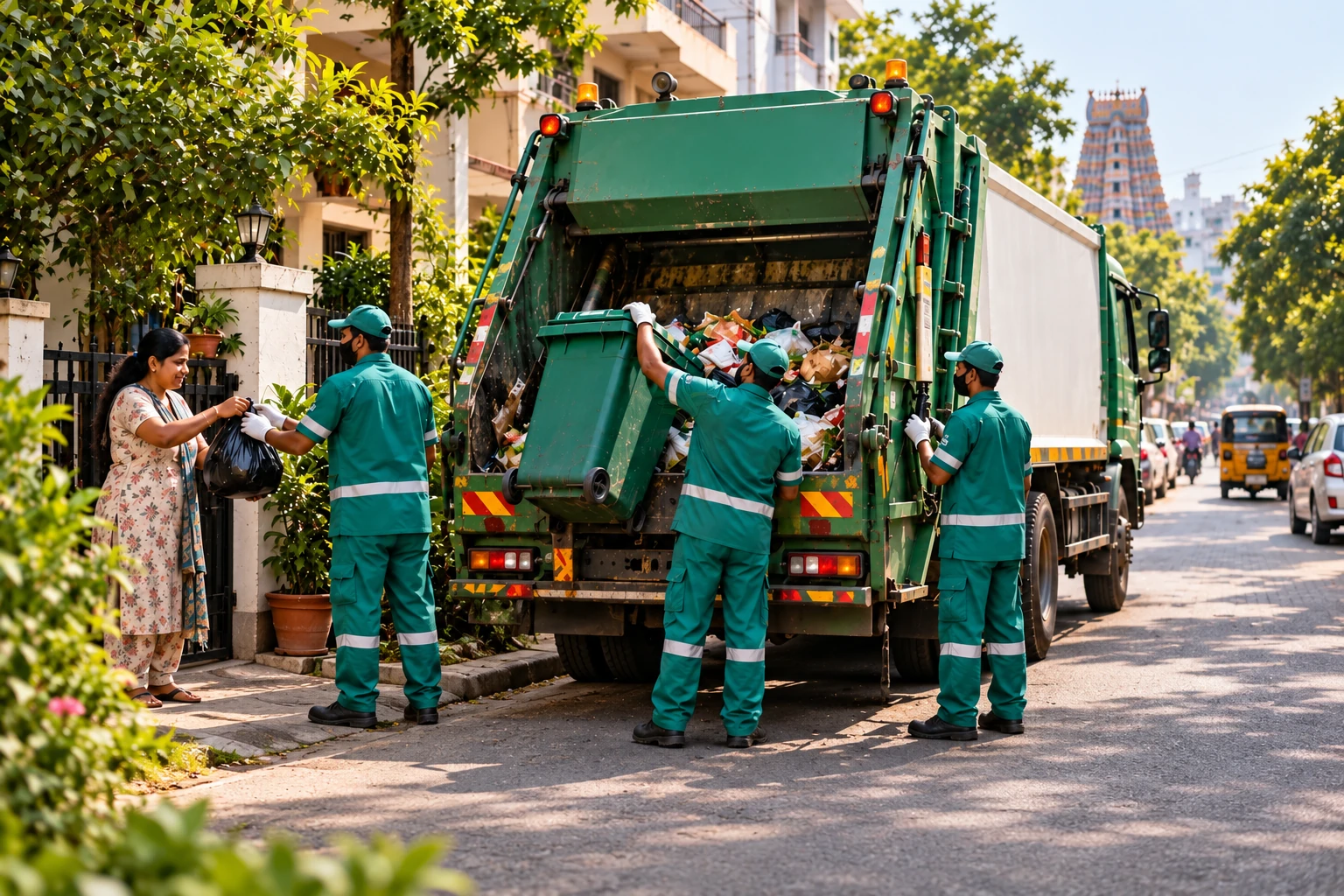
02 / Collection
Collection brings waste from homes, shops, markets and communities into an organised system. Local collection arrangements connect everyday participation with facility operations.
Collection • Community participation • Responsible handling
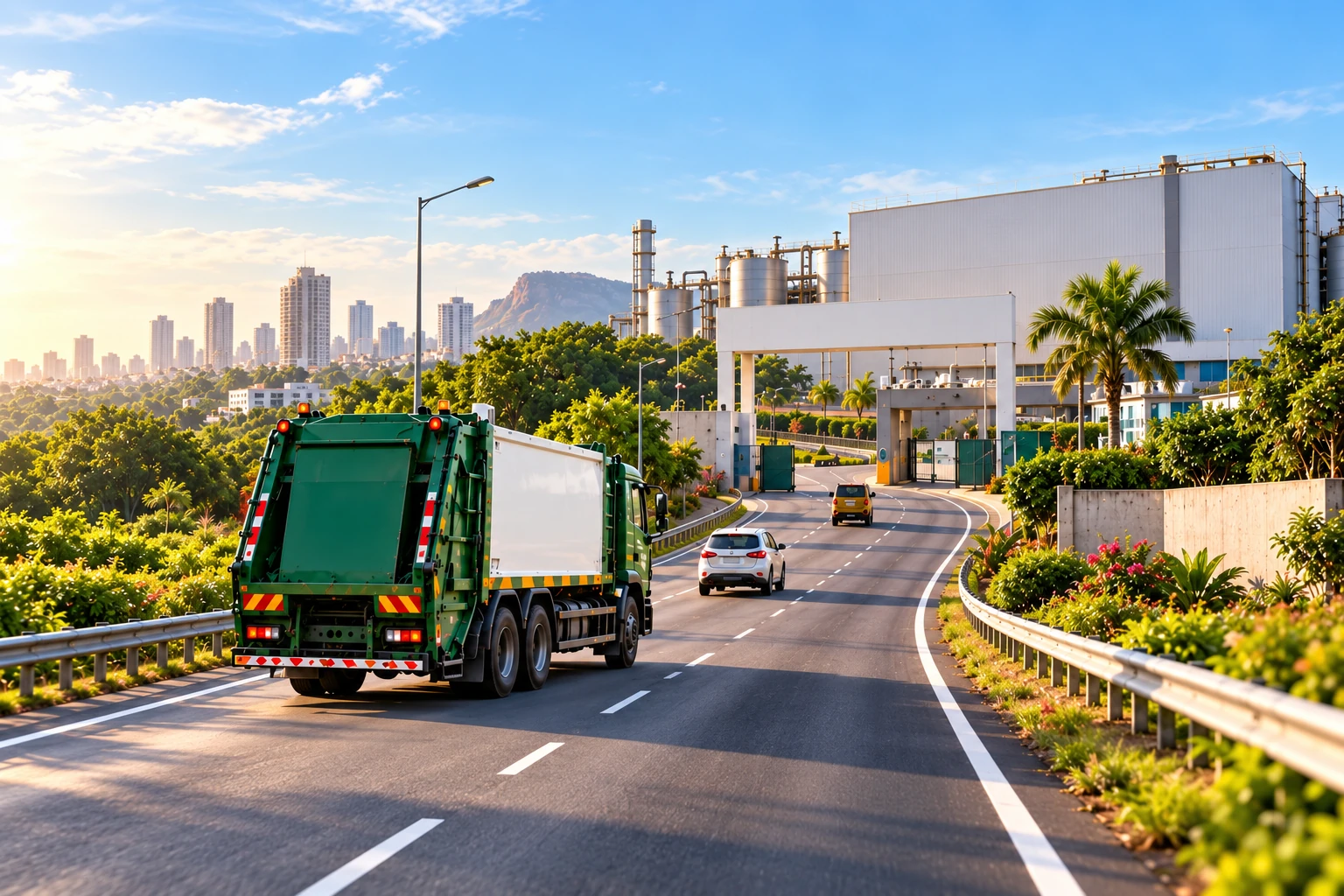
03 / Transport
Planned transport moves collected waste to the processing facility, supporting a continuous journey from neighbourhood collection to controlled intake.
Collection routes • Transport • Facility access
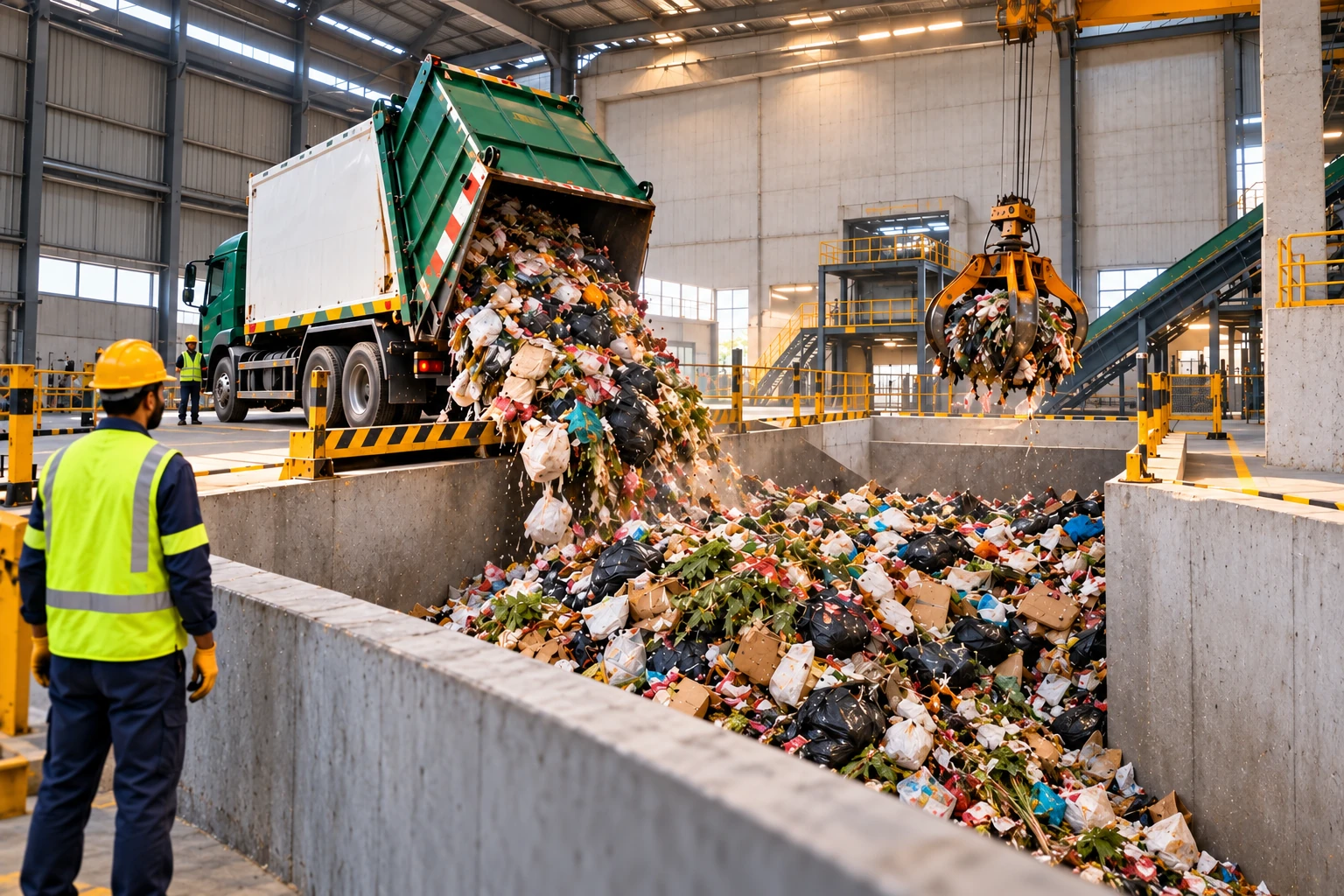
04 / Intake
The facility receives and unloads incoming waste before routing it through the appropriate separation and processing stages. A coordinated intake area supports efficient material movement.
Receiving • Unloading • Routing
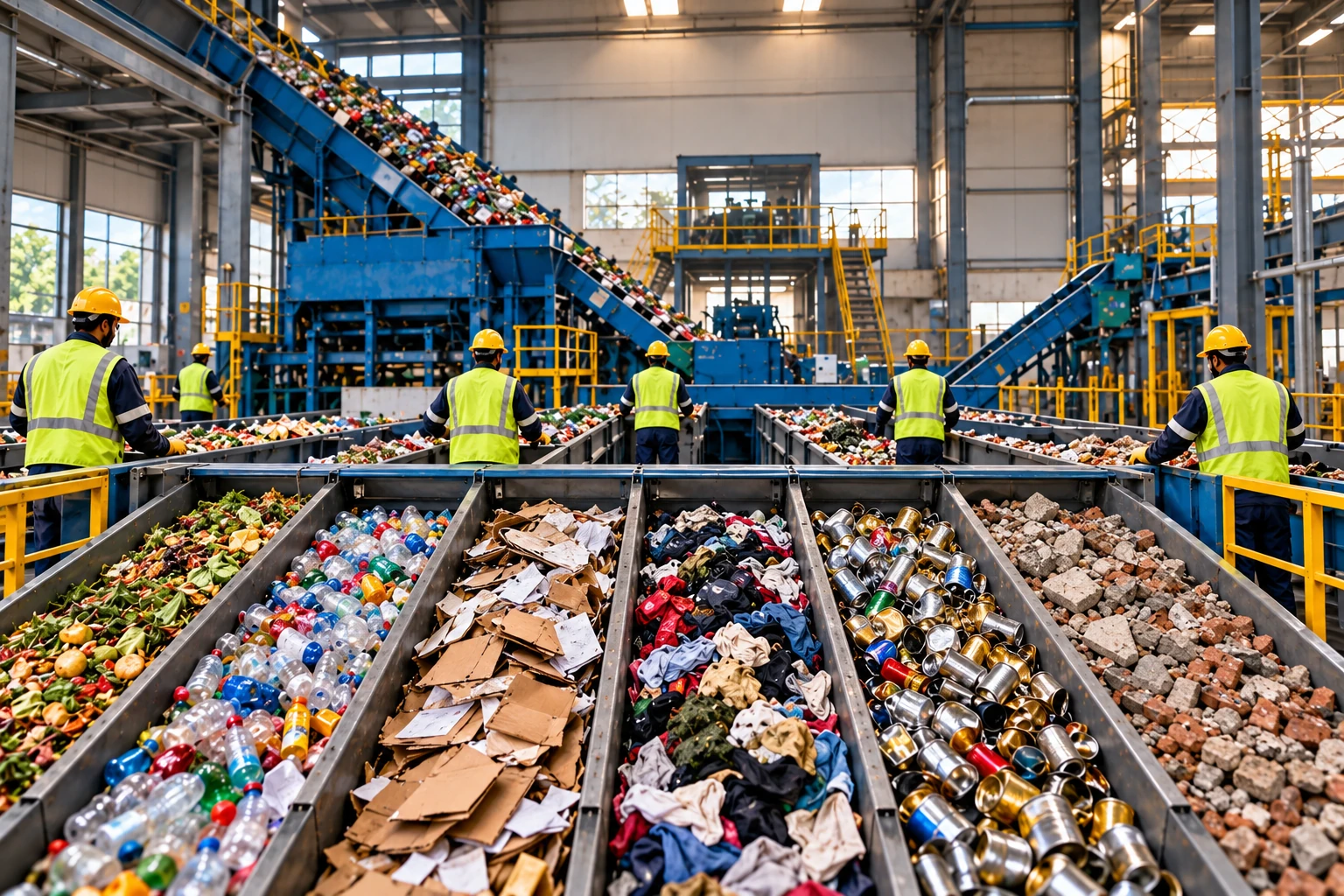
05 / Waste streams
Different waste streams require different recovery paths. The integrated approach brings recyclable materials, organic waste and remaining fractions into a coordinated facility workflow.
Food and organic waste • Plastics • Paper • Textiles • Metals • Inert materials
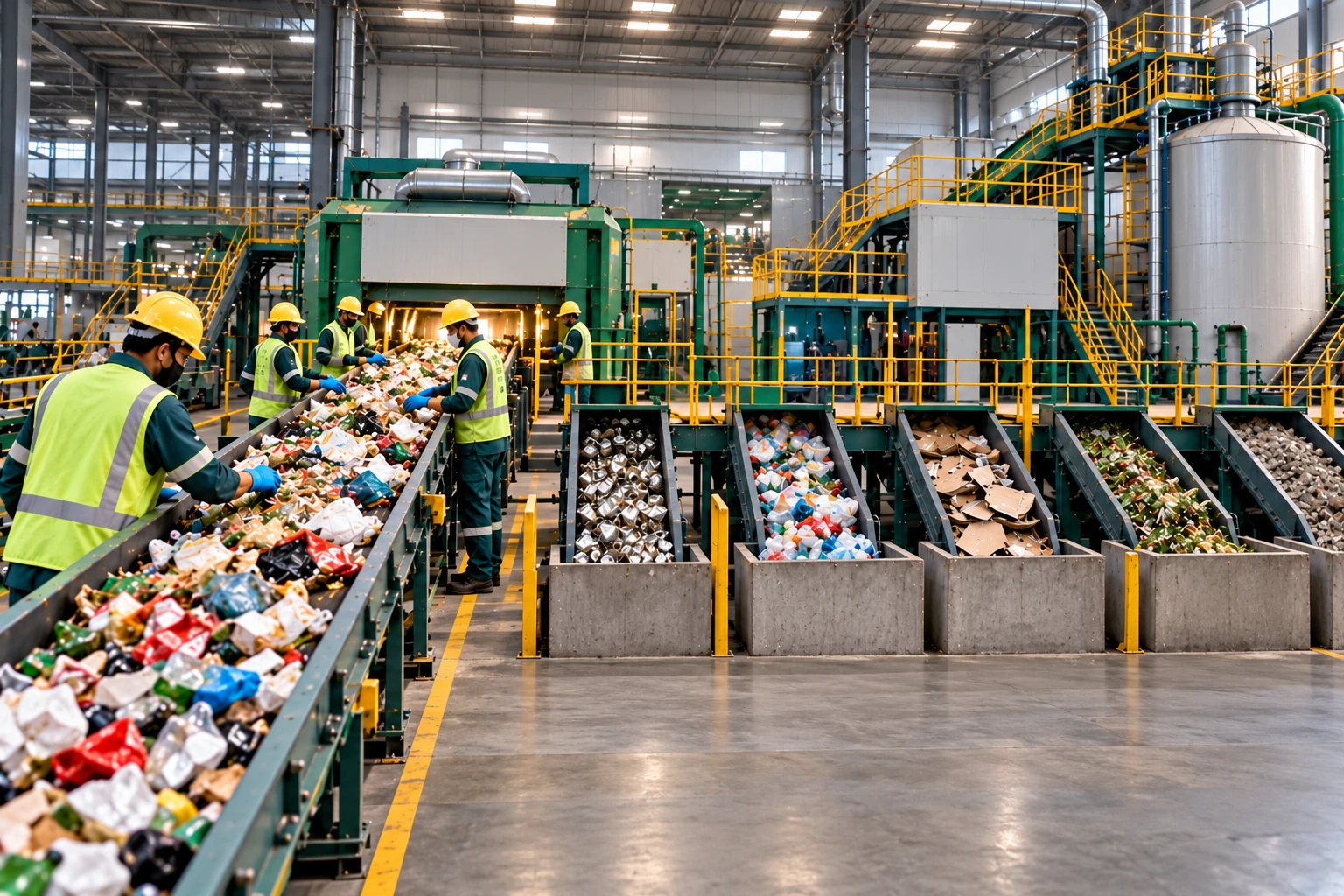
06 / Material recovery
In-plant separation identifies useful materials such as metals, plastics and paper. Recovered fractions are directed to suitable recovery channels, with remaining waste routed onward for processing.
Material recovery • Separation • Resource conservation
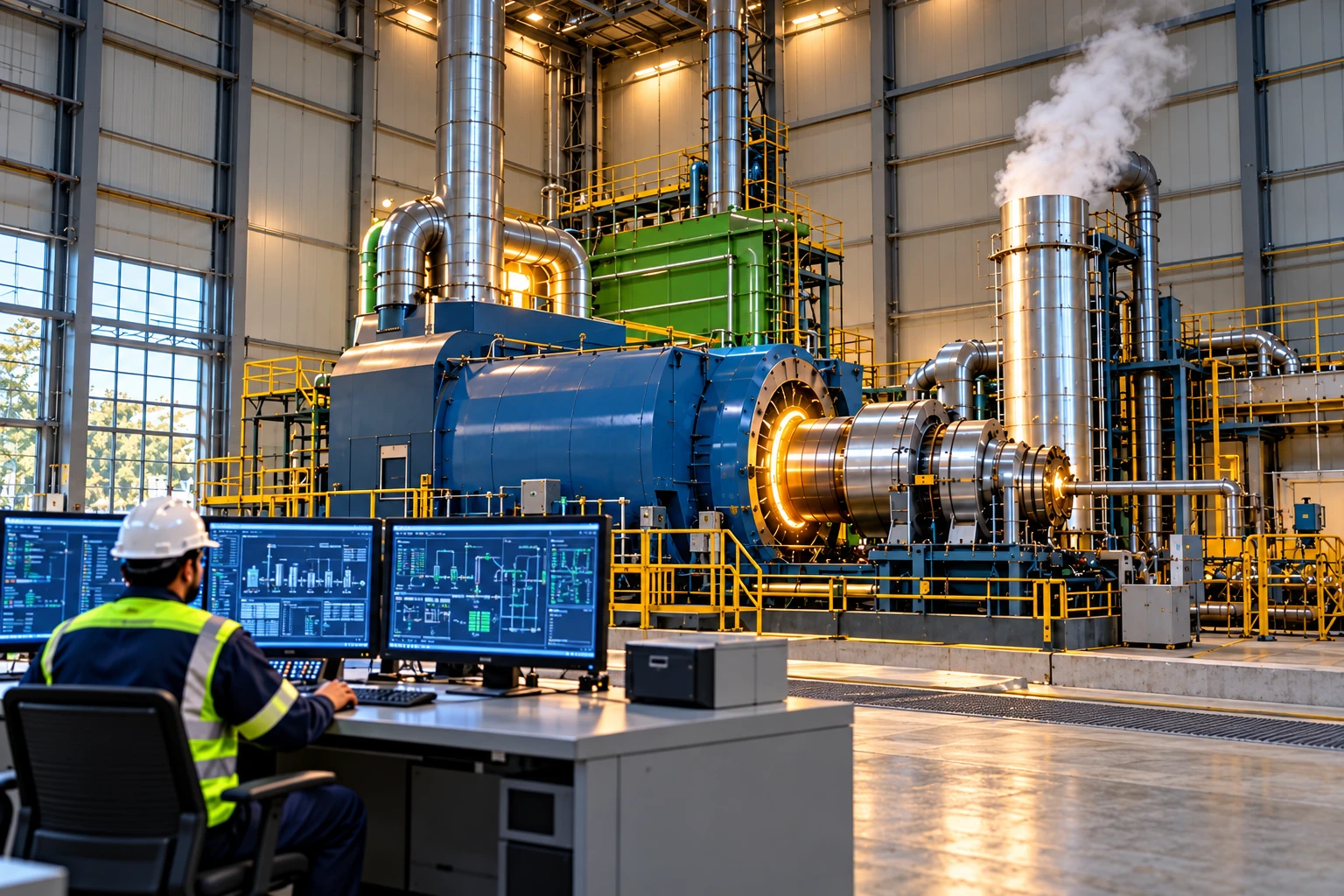
07 / Energy opportunities
Appropriate system configurations can connect waste processing with energy recovery. The project’s waste composition, thermal balance and operating needs guide the design.
Energy recovery is assessed as part of the selected plant configuration.
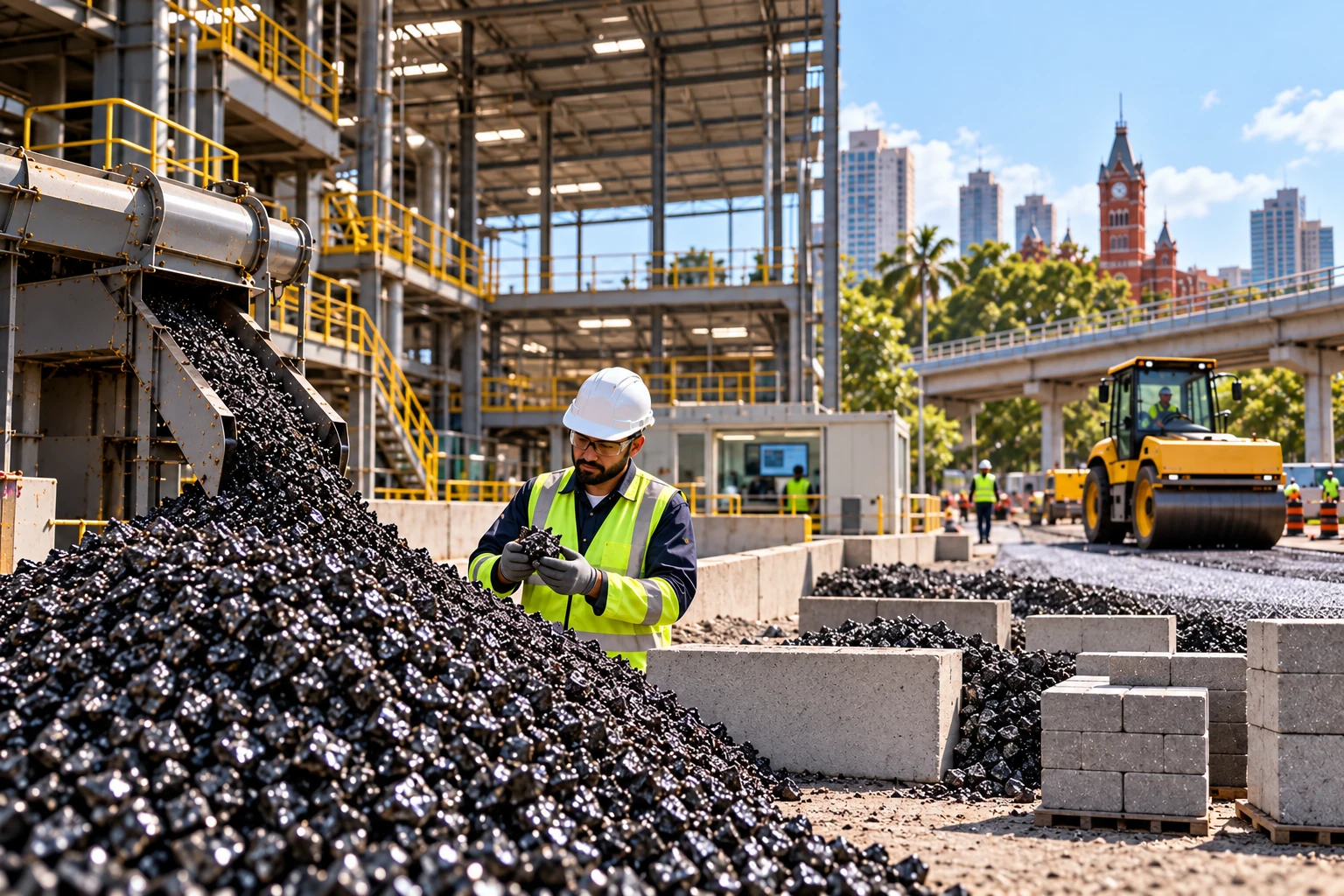
08 / Residue management
After cooling and stabilisation, processed residue is assessed for suitable reuse. Material testing determines whether it can serve applications such as road bases, pavers or construction products.
Cooling • Testing • Suitable reuse
Phased development
Establish the quantity, composition, collection arrangements and project objectives.
Consider land, logistics, utilities, processing routes and recovery opportunities together.
Plan operations and additional recovery systems around the needs of the wider city.
A cleaner tomorrow starts today